Monthly Archives: May 2014

Skål! – our boozy Nordic saga (part two)

If you missed part one, which focusses on our boozy experiences in Denmark, read it here!schous

Beer pretty much slapped us in the face from the moment we got to Oslo, with excellent beer almost literally within grabbing distance: from our hotel window we could see the remains of the Schous Brewery just over the road. Founded in 1800 and closed down in 1981, this is still home to the Schouskjelleren Mikrobryggeri in an atmospheric cellar under what’s left of the old premises. After nearly having a heart-attack at the price of beer in Norway (even higher than in Denmark, as if it was possible), we tucked into a Joca Blonde (5.5%) and a “Female of the Species” Single Hop Nelson (5.1%), both delicious. It was interesting to see what was popular with beer fans over the North Sea, and we were surprised to see a couple of beers by ICIP favourite Thornbridge as well as Brewdog on the blackboard behind the bar.

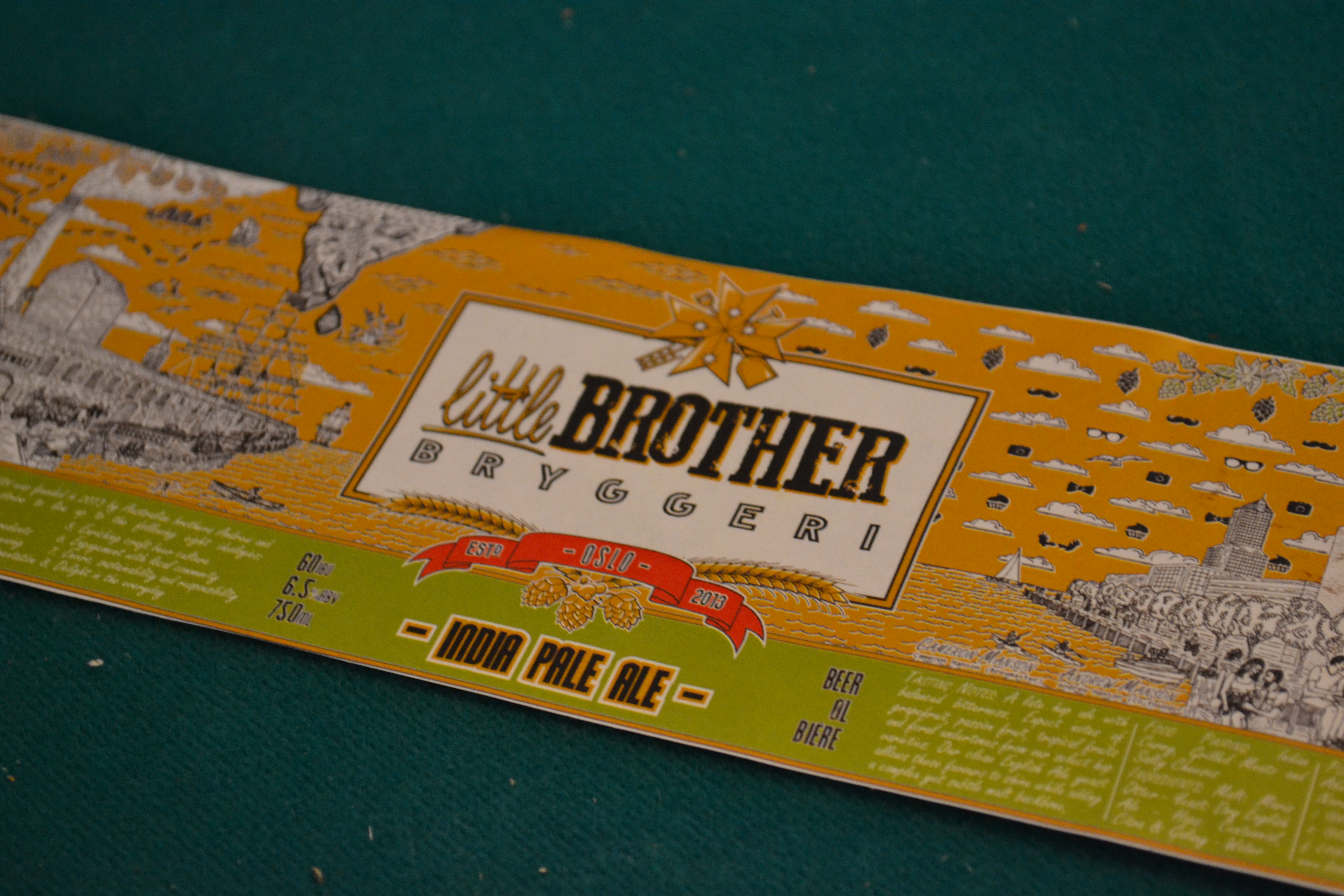
Our next beer experience came courtesy of a random Twitter exchange from back in October 2013, when ICIP and Little Brother Brewery started following each other. At the time, we weren’t expecting to ever get the chance to visit them, so when we found out we’d be in town just a few weeks after they got their production license, making them the smallest commercial brewery in Oslo, everything fell neatly into place.
littlebro2

We were welcomed to the microbrewery by co-owner Cameron Manson (the eponymous little brother – big bro Andrew is based in Brisbane, where they hope to expand to in the future). We don’t want to spoil too much, because we’re planning on dedicating a whole post to our trip to Little Brother, but it was clear from chatting to Cameron that the Oslo beer scene is flourishing just as much as it is back home in London, with new microbreweries popping up and plenty of experimentation: “Apparently there’s a new brewery opening every month in Norway,” he told us. “Even the homebrew shops have expanded massively since I started out.”

After our tour of the brewery we took the opportunity to ask for some local advice, and Cameron gamely drew us up a list of bars to sniff out for good beer. Fortuitously, one of them was very close to our hotel (what an excellent choice of accommodation this was turning out to be!). This was Cafe Sara, a pub full of trendy young things, friendly staff, some interesting offerings on the taps and a well-stocked beer fridge. It ended up being a messy night.

The damage:

Single Sara – Christianssand Brygghus and Cafe Sara collab (5.7%)
Pensjonisten – Bryggerhuset Veholt (5.8%)
Odin’s Tipple – Haandbryggeriet (11%)
Osen Lager – Tonga Gardsøl (6%)
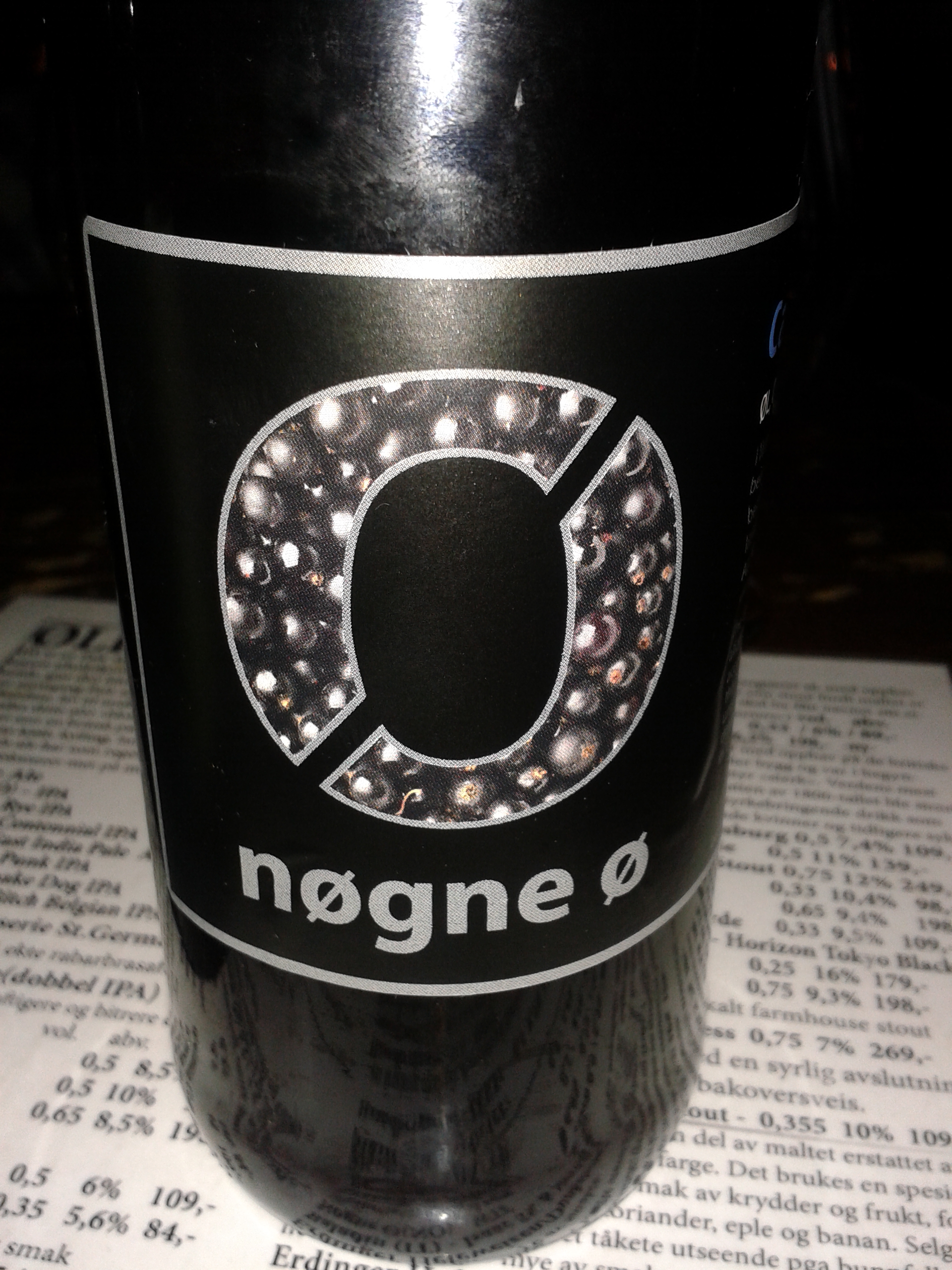
Cassis Trippel – Nøgne Ø (9.5%)
Humlekanon – Haandbryggeriet (7.5%)
humlekanon nogneo

We’re not entirely sure how we got home.

We tried to lay off a bit for the next couple of days (visiting whole galleries of Edvard Munch is quite harrowing enough in itself without being hungover as well, thanks), but still managed a trip to another of Cameron’s recommendations: Smelteverket.

Situated in artisan food court Mathallen (think modern Nordic Borough Market and you’re getting warm), Smelteverket boasts “Norway’s longest bar”, with no less than twenty windows looking out over the Akerselva river. They also stock a range of Norwegian beers on tap and in bottles, and we had a try of a couple of beers by local brewery Grünerløkka (Løkka/crow White IPA, 6%, and Thorvalds Red Batch #17, 5.1%) and Haandbryggeriet (American Pale, 4.5%). We were very happy nursing these beauties until it was time to jet off to our final Scandi destination: we were Bergen-bound.
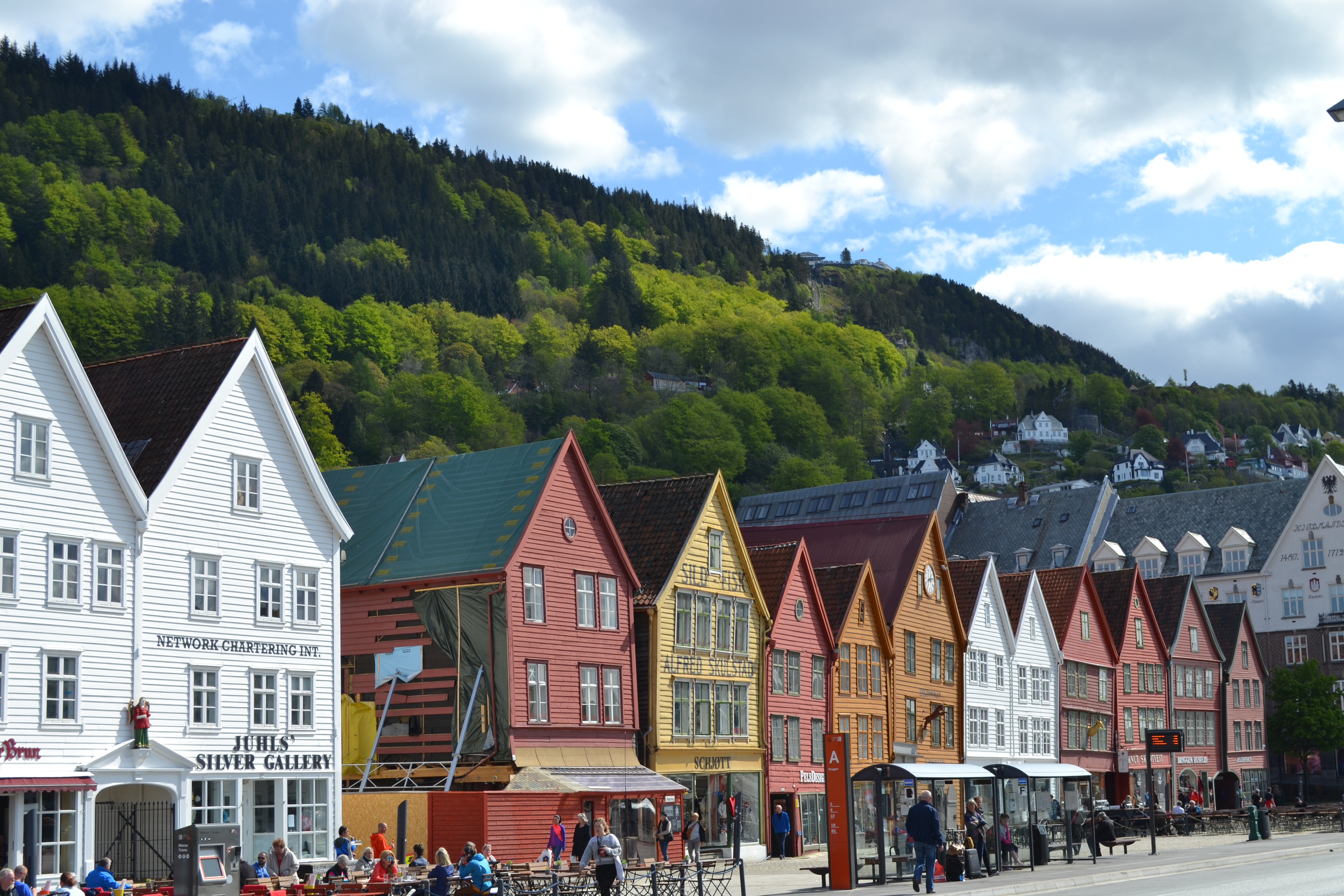
bryggenBergen is an absurdly beautiful place. As we stepped off the bus into Bryggen, we could hardly believe our eyes. The town is nestled between seven hills and seven fjords, and the busy harbour is lined with colourful, higgledy-piggledy wooden buildings.

Being that much further North than we’re used to, it was still light pretty far into the evening, which made the temptation to sit outside a bar with a beer and a blanket even more powerful. So we could hardly believe it when we realised that there was a very swish, very new-looking craft beer bar at the end of the road from our hotel.
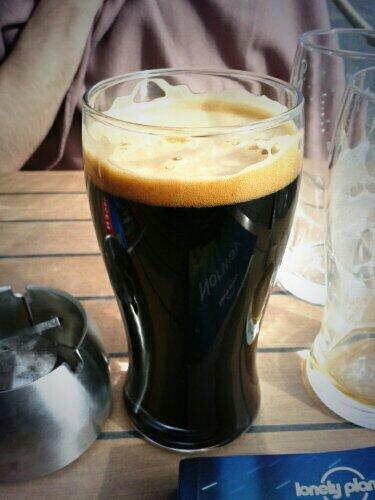
7fjellWe were sold the moment we walked through the door at Una Bryggeri & Kjøkken, which was so new the builders were still drilling and hammering upstairs, and I had to use the men’s loo because the women’s wasn’t plumbed in yet. This trendy bar will be brewing its own stuff very soon, but in the meantime, we tucked into a Porter by Voss Bryggeri (7%) and a Walkendorff Amber Ale (6%) by the very local 7 Fjell Bryggeri.

It turns out that good beer is not at all hard to find in Bergen. We stumbled across Pingvinen (“Penguin”) in the sleepy backstreets, where we nearly collapsed under the weight of probably the freshest and most delicious prawn smørbrød in the world and glasses of Lervig Aktiebryggeri Hoppy Joe (4.7%). We also enjoyed a quiet drink in the quirky Kafe Kippers, set in an old sardine canning factory, where we tried Waldemars Mikrobryggeri Hveteøl (4.7%) and a Vossa Pale Ale (6%) by Voss.

But the real highlight of our trip was yet to come.

You can’t visit Bergen without going on some sort of excursion out into the nearby fjords. We had planned ahead and were booked into a day-long trip which would – hopefully – give us a taste of the incredible scenery Norway has to offer.
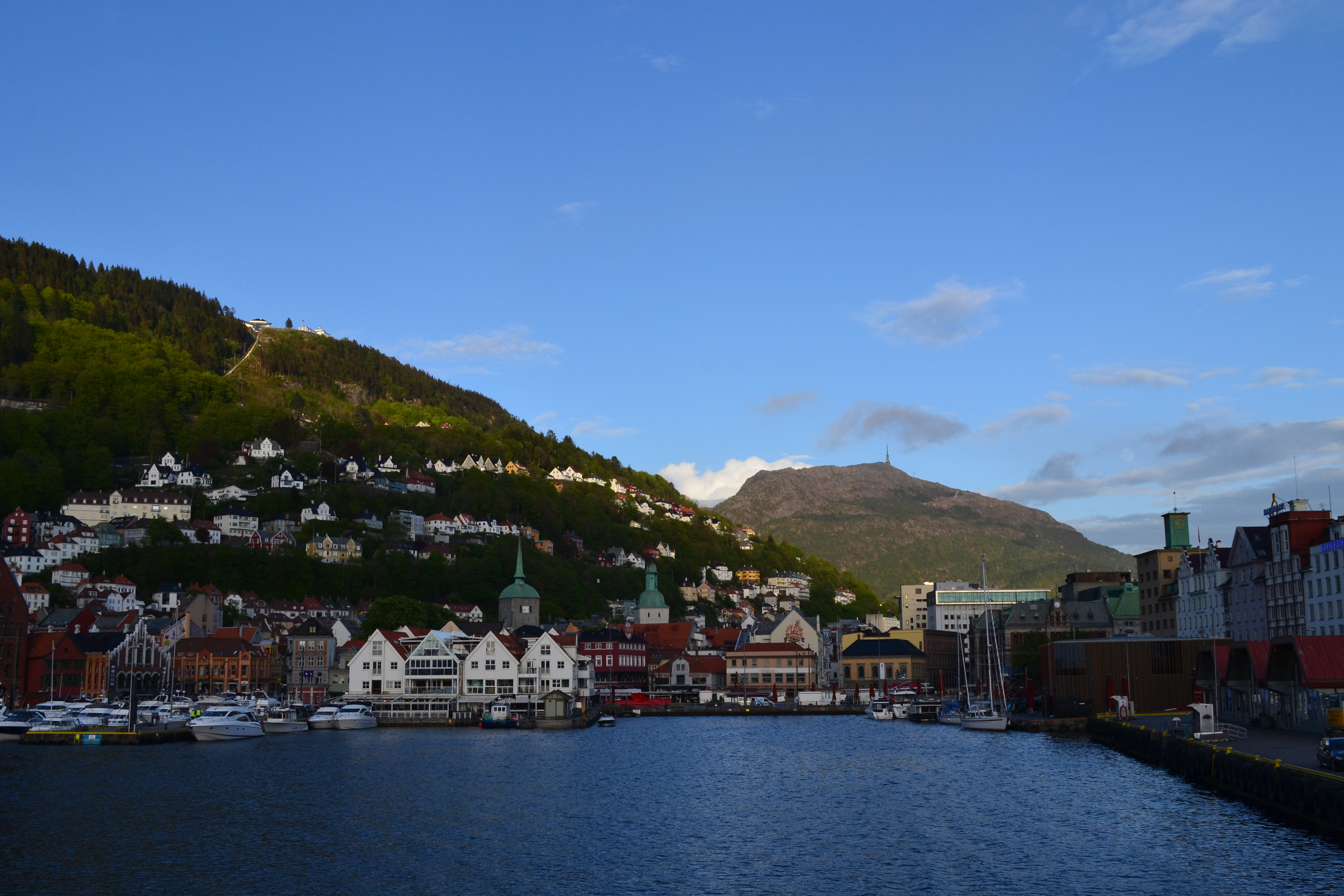
vergenWe would begin with one of the most scenic rail journeys in the world: from Bergen to Myrdal, in the mountains, where we would board the Flåmsbana. This special railway is the steepest standard gauge railway in Europe, and has been running since 1940. This would take us down from the snowy mountains and into the tiny village of Flåm, nestled at the end of the Aurlandsfjorden. There we would board a boat for an epic five and a half hour boat ride through the Sognefjord and back to Bergen.

While this was the cause for much excitement, we were not anticipating beer to play a part of this day. Unless we dropped back into Una after we got back, of course.

jumperAfter about 200 photos and much gawping, we arrived in Flåm. Just to  emphasise this: Flåm is tiny. Dwarfed by the comically huge cruise ships that park up in the fjord, it basically offers a few hotels, a slightly tired museum, a couple of sad cafes and several shops selling Scandinavian knitwear.

Oh, and a mind-blowing microbrewery and pub.

We thought we were hallucinating when we saw a sign for the “Ægir Brewery and Pub”, and definitely started to question our senses as we rounded the corner to see the Viking-esque wooden building, complete with dragons carved on the roof.

aegir3

My friends, it was a practically spiritual experience.
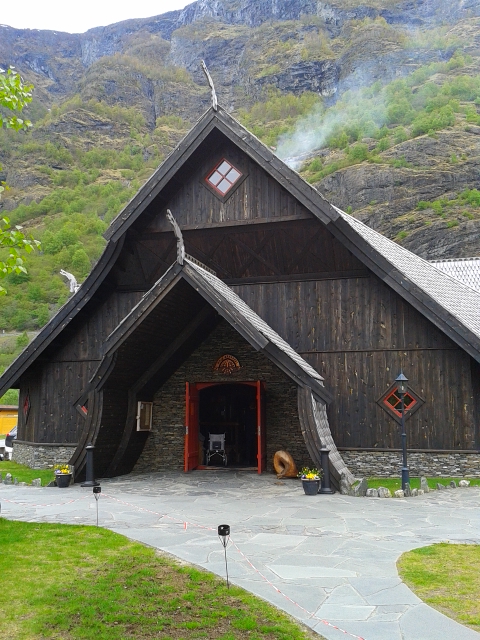
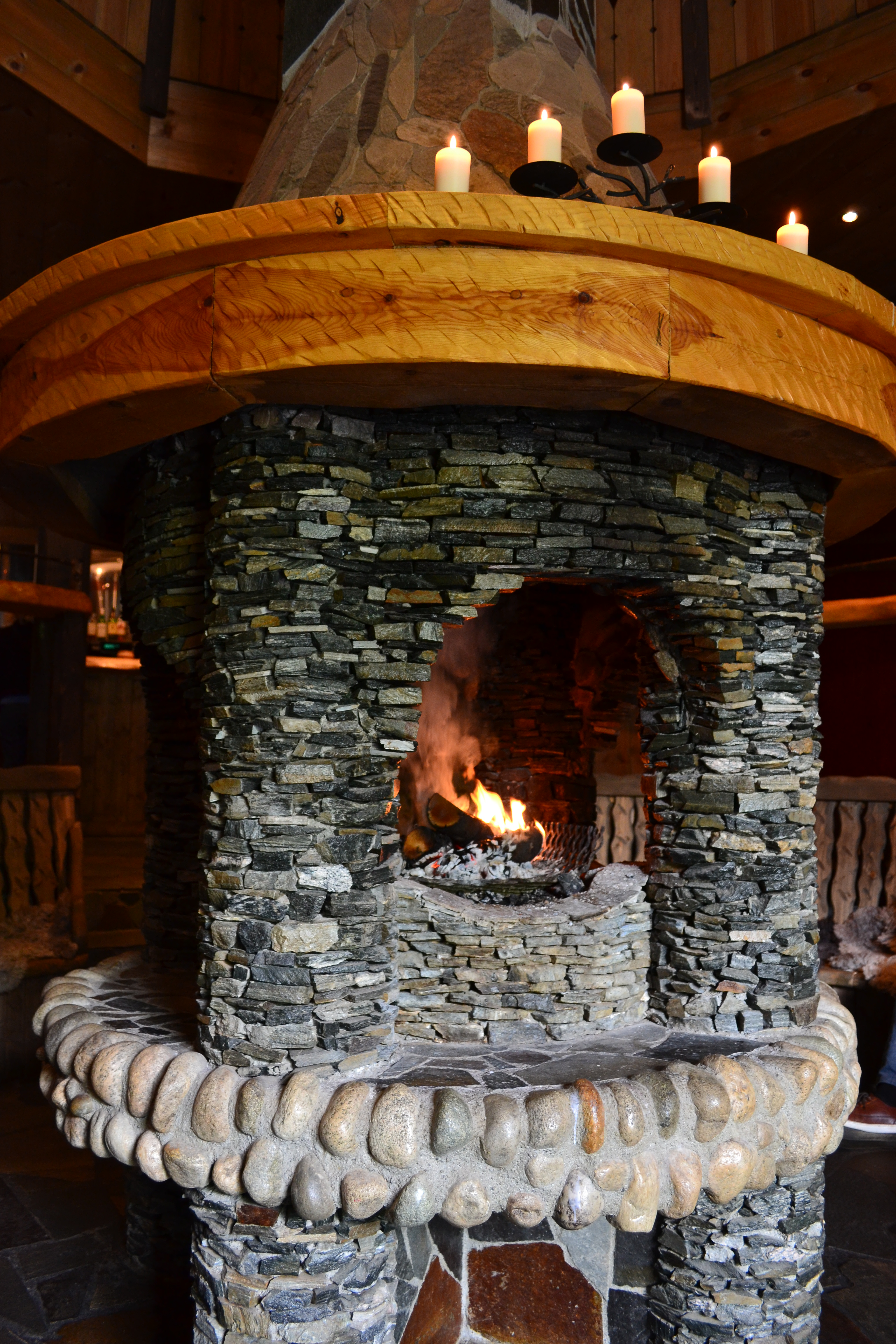
aegir6Inside, away from the chilly mountain air was a 9-metre floor-to-ceiling open fireplace with pelt-covered seating around it. The seats were made of roughly hewn tree stumps. The tap handles were made from antlers.

aegir2 aegir4

I wanted to weep for joy. I began to curse the fact that I only had a hour and a half before I had to board a STUPID boat to go on a STUPID INCREDIBLE ONCE-IN-A-LIFETIME FJORD TOUR.

Founded in 2007 by Norwegian Aud Melås and American brewer Evan Lewis, the brewery has been steadily expanding over the last few years and has also opened a distillery. They won Norwegian Brewpub of the Year three years on the trot, and we’re not surprised.
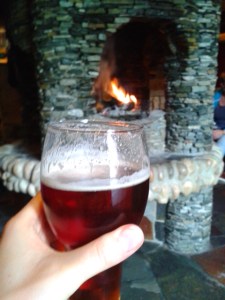
aegir5We stayed as long as we physically could without missing our boat, sampling the following:

Ævenue (6% saison)
Sumbel Porter (4.7%)
Ægir IPA (6.5%)
Rallar Amber Ale (4.5%)

The range of beers on offer was fantastic – the brewery’s website lists styles as diverse as barley wine, Scotch ale, bock and blonde amongst its regular, year-round selection.

We found ourselves lured to the bottle shop even though we knew full well that our cases were already stuffed with Nørrebro bottles from Denmark. “I’ll just leave some clothes behind”, I insisted, clanking my way down the gangplank and onto the boat.

Sadly, all good things must come to an end. Checked out of our hotel, our Lonely Planets exhausted, and with just a couple of hours to go before we had to catch the bus to the airport, we bedded down back at Una. We finished our trip with 7 Fjell’s Svartediket Black IPA (7%) and a We Love Wheat Collaboration between Lervig and Nøgne Ø (7.9%). I reflected, as I supped my delicious, wallet-destroying Norwegian beer, that we were ending our holiday by doing exactly what we hadn’t really anticipated doing at the start of the trip – just kicking back with a couple of beers.

dutyfreeInspecting our boozy swag on our return to London (yes, we did buy more delicious beer in duty free), I marvelled at how beer had shaped our holiday, and how it had accented every high point. From our chance meeting with Arizona Wilderness in Mikkeller Bar and the mindblowing tasting menu at Nørrebro, through to the tour of Little Brother and our Ægir epiphany in Flåm, it truly had been a boozy Nordic saga; a real adventure.

The Scandinavian countries are often touted as the happiest in the world. Having checked out the beer, we think we understand why. Skål!

aegir8

– PS

Skål! – our boozy Nordic saga (part one)*

*Wanted to call this “Boozin’ with the Moomins”. Found out Moomins are Finnish. Did not visit Finland. For helvede!

Mr Pip and I aren’t really very good at holidays.

Well, more accurately, we’re not good at relaxing holidays. We’ve never done a beach holiday together, never visited a spa or willed away multiple hours in a café watching the locals. Our holidays are usually planned with almost military precision: armed with maps and Lonely Planets we storm our way through capital cities and tourist spots, leaving a string of museums, stately homes and art galleries in our wake. Our recent trip to Scandinavia is a case in point. We were there for ten days and managed to clock up, by our estimates, over 60 miles of walking (no mean feat given that one of those days was entirely sedentary on trains and boats in the Norwegian fjords).

While I’ll admit to being the driving force behind this, Mr Pip is very much the Lieutenant to my Captain. We make good travel companions because we enjoy a similar – unbalanced – mix of doing stuff and chilling out (i.e. sleeping off all that walking). I find just immersing myself in being somewhere completely “other” relaxing in itself – being able to leave all thoughts of work and the washing and the fact that the front door is sticking behind me.

Basically, what I’m getting at here is… I didn’t really factor beer into my holiday before we went. I wasn’t planning to sit in the bar all day. I thought about visiting Hamlet’s Castle and seeing some Viking boats and seeing the fjords, but despite beer being a massive part of my life, we only really got as far as booking a dinner at a brewery-cum-restaurant in Copenhagen for our anniversary before we whizzed off to Denmark.

And that’s what made the boozy wonder that was our Scandi trip all the more special.

nyhavn

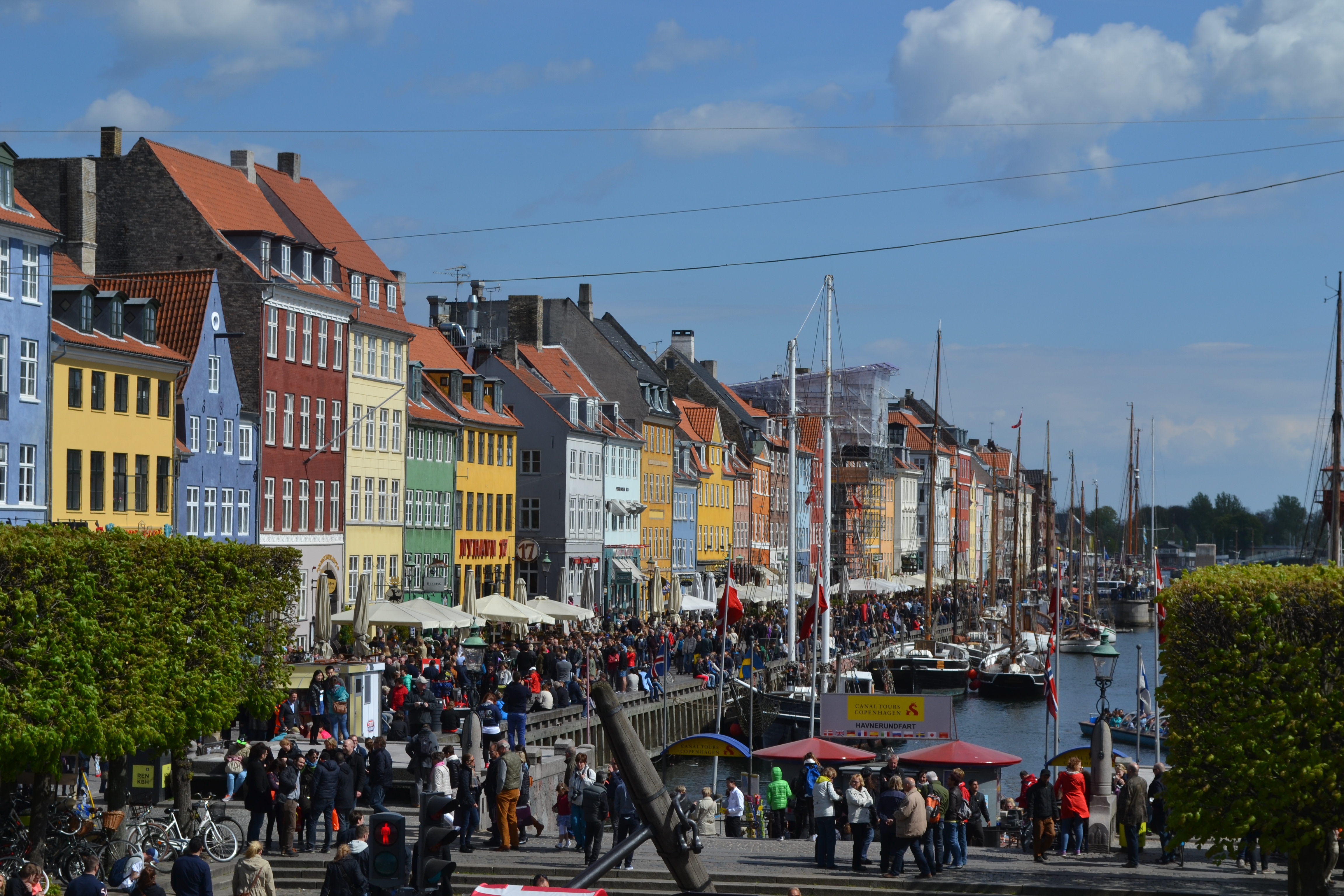
Our first taste of Scandi beer came in the form of a Tuborg Green (4.6%), sitting in the sun, with a plate of herrings next to the canal in Nyhavn, Copenhagen. You couldn’t get any more Danish if you tried. But this was exactly the type of beer experience I had been expecting – and not getting excited about. The beer was stock lager, the type of stuff I purposefully do not touch at home. I noticed that most of the restaurants and bars we looked into seemed to have the same, ominously green Tuborg and Carlsberg taps. “Oh well”, I thought, “I can deal with soft drinks and the occasional gin and tonic this holiday”.

Then Nørrebro Bryghus came out of nowhere and rocked our world.

norrebro glassSituated in what The Guardian once likened to “the Brixton of Copenhagen”, Nørrebro Bryghus is one of many trendy bars and restaurants popping up in this part of Denmark’s capital. Launched in 2003, the brewery has always had food and beer matching in its sights, marrying the rising popularity of both Scandi food and craft beer: “The brewhouse politely reminded the Nordic foodies something that Danish gastronomy seemed to have forgotten,” trumpeted their website, “that the best drink in combination with Nordic flavour is often the wonderful Nordic beer.” They also claim that they could very well be “the best beer restaurant in Scandinavia”, so we didn’t really think we could pass this one up (especially since we didn’t fancy taking out a second mortgage to eat at Noma).

Initially drawn in by their five-course tasting menu with matched beers, we arrived early for our reservation and started off with a drink in the downstairs bar. Set against a backdrop of the brewery itself, which is open for visitors’ inspection, the bar was bustling and cosy. The beer menu immediately got our hearts racing. American brown ale! Bock! Barley wine! We quickly began our descent into heavenly beery oblivion.

It was a night to remember.

norrebroglassesOur food and beer matched menu was exquisite; exactly what we had dreamed of when we had read about “New Nordic Cuisine”. It was so good, I accidentally ate all of my first course before I thought to take a photo. We also spent ages waxing lyrical to each other full-mouthed across the table about being served what literally appeared to be clouds made out of mustard.

The menu was as follows:

  • Cauliflower with mushroom purée and wild garlic paired with Çeske Böhmer Pilsner (5%)
  • Gravlax with hops, asparagus, nuts and mustard paired with New York Lager (5.2%)
  • Slow cooked beef chuck, potato purée and smoked jus paired with Ravnsborg Rød (5.5%)
  • 3 kinds of Danish cheese with sour sweet and crunchy “goodies” paired with Maharaja Double IPA (7.6%)
  • Lemon curd and wheat beer mousse with honey and oat crisps paired with Lemon Ale (3.5%)
norrebrodish norrebrodish3
norrebrodish2 norrebrodish4

Our minds well and truly blown, we staggered back to our hotel ready to totally reassess Denmark’s beery offerings. As if by magic, our perception filters reset themselves. Yes, Tuborg and Carlsberg were ubiquitous. But we began to spot names like Nørrebro and Herslev Bryghus popping up on menus in restaurants, and even found bottles for sale in local supermarkets. We found a microbrewery, Bryggeriet Apollo, right in the heart of touristland, next to Tivoli, and an American diner offering a range of both local and international brews. Beer came back into focus for us, and before long we were google-mapping frantically in an attempt to find one of the Mikkeller bars.

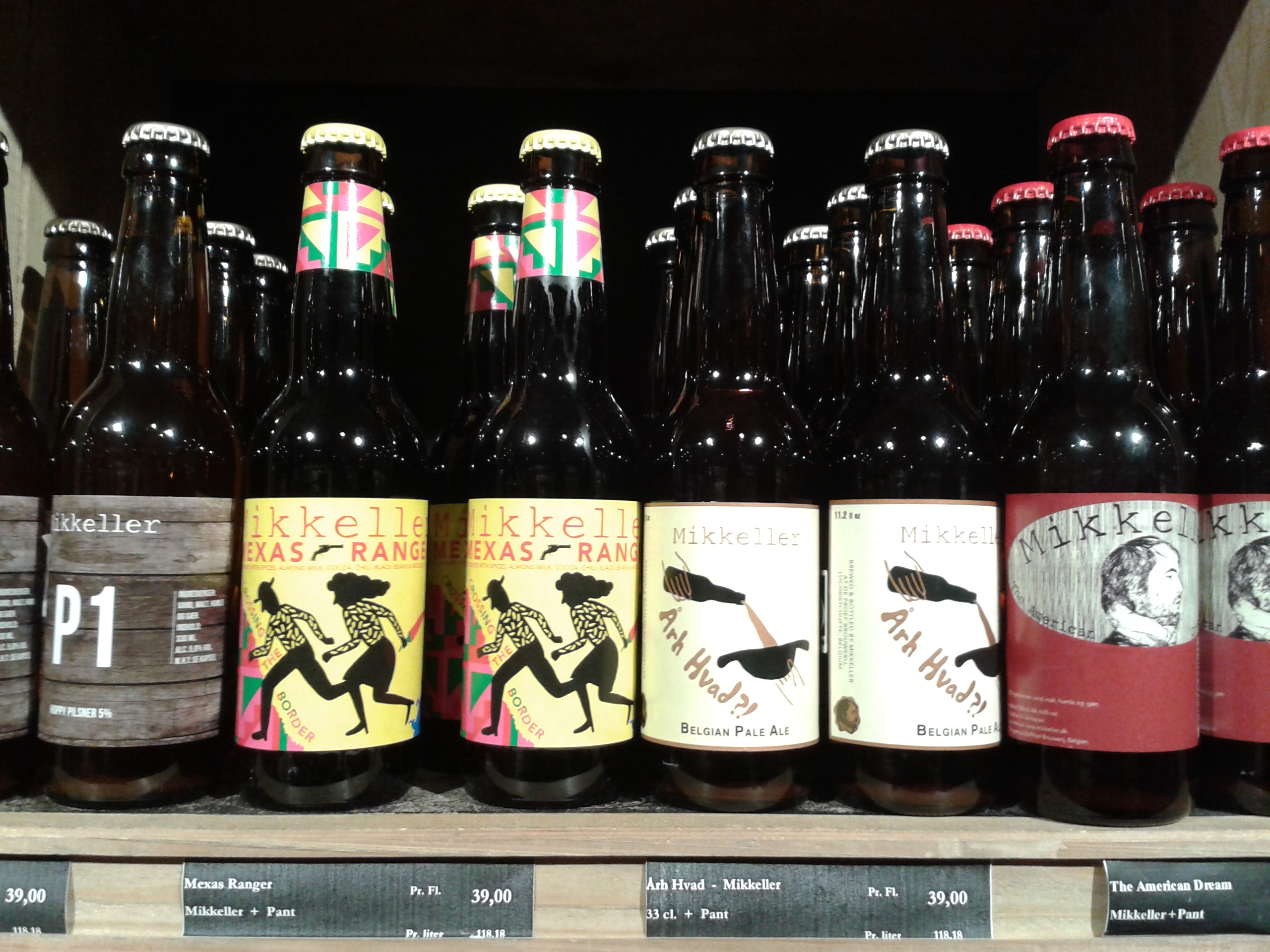
“Gypsy” brewer Mikkeller (Mikkel Borg Bjergsø) doesn’t run a brewery in the strictest sense of the word, and has instead been traveling around brewing collaboration brews with other breweries since 2006. Initially created with friend Kristian Keller, hence the name, Mikkeller brews Noma’s house beer, exports to over 40 countries and has bars in San Francisco, Stockholm and Bangkok. A search for Mikkeller on Untappd now brings up a mind-boggling 700+ results. So you can see why we were keen to sniff out one of the bars in city where it all began.

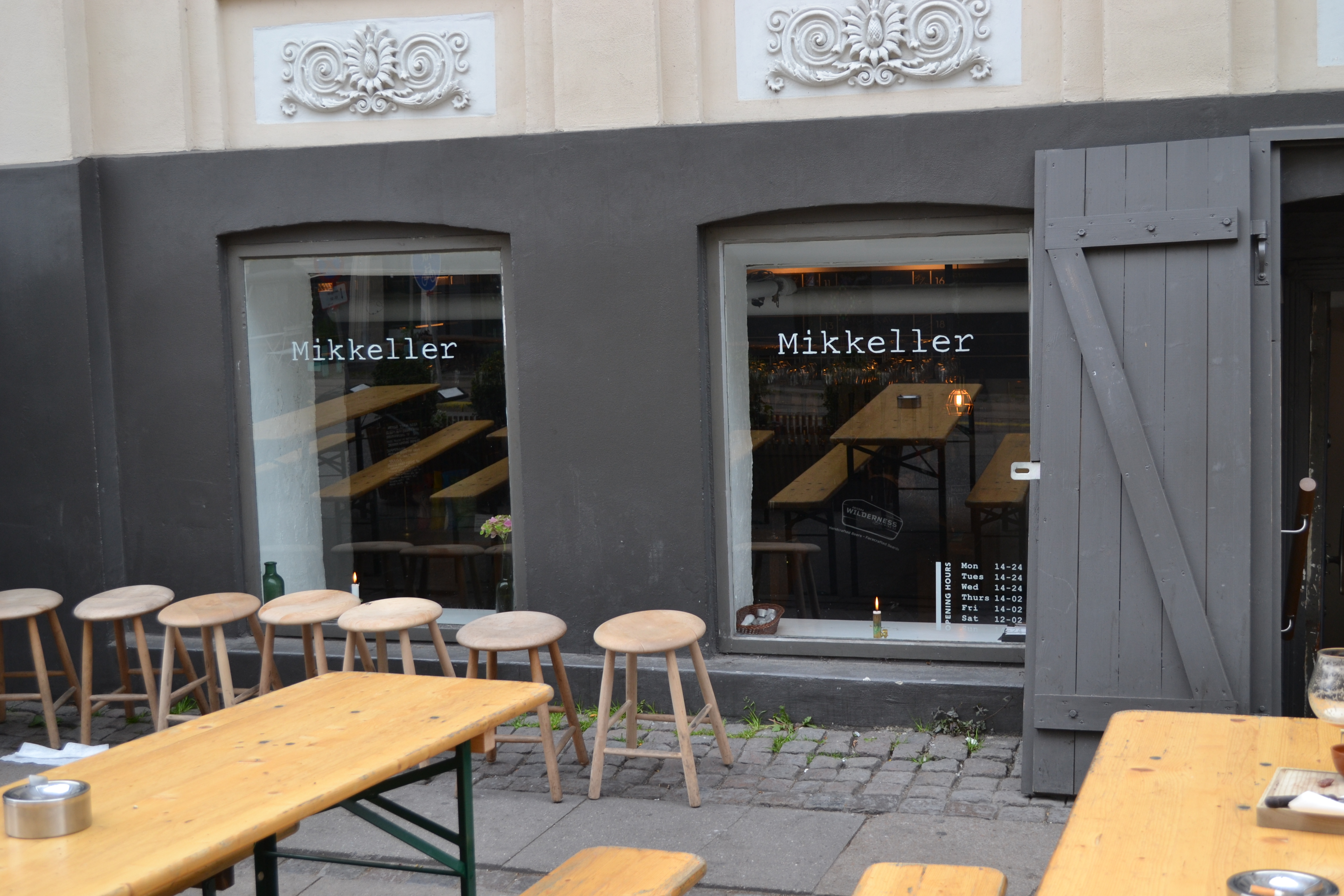
mikkellerbar After a particularly long day of walking we ended up at the original Mikkeller Bar on Viktoriagade, thirsty and expecting great things. Tucked away in an area with a distinctly Shoreditch-y vibe, the bar was minimalist and trendy, and had a pleasingly massive blackboard listing 20 beers on tap, as well as a huge bottle menu.

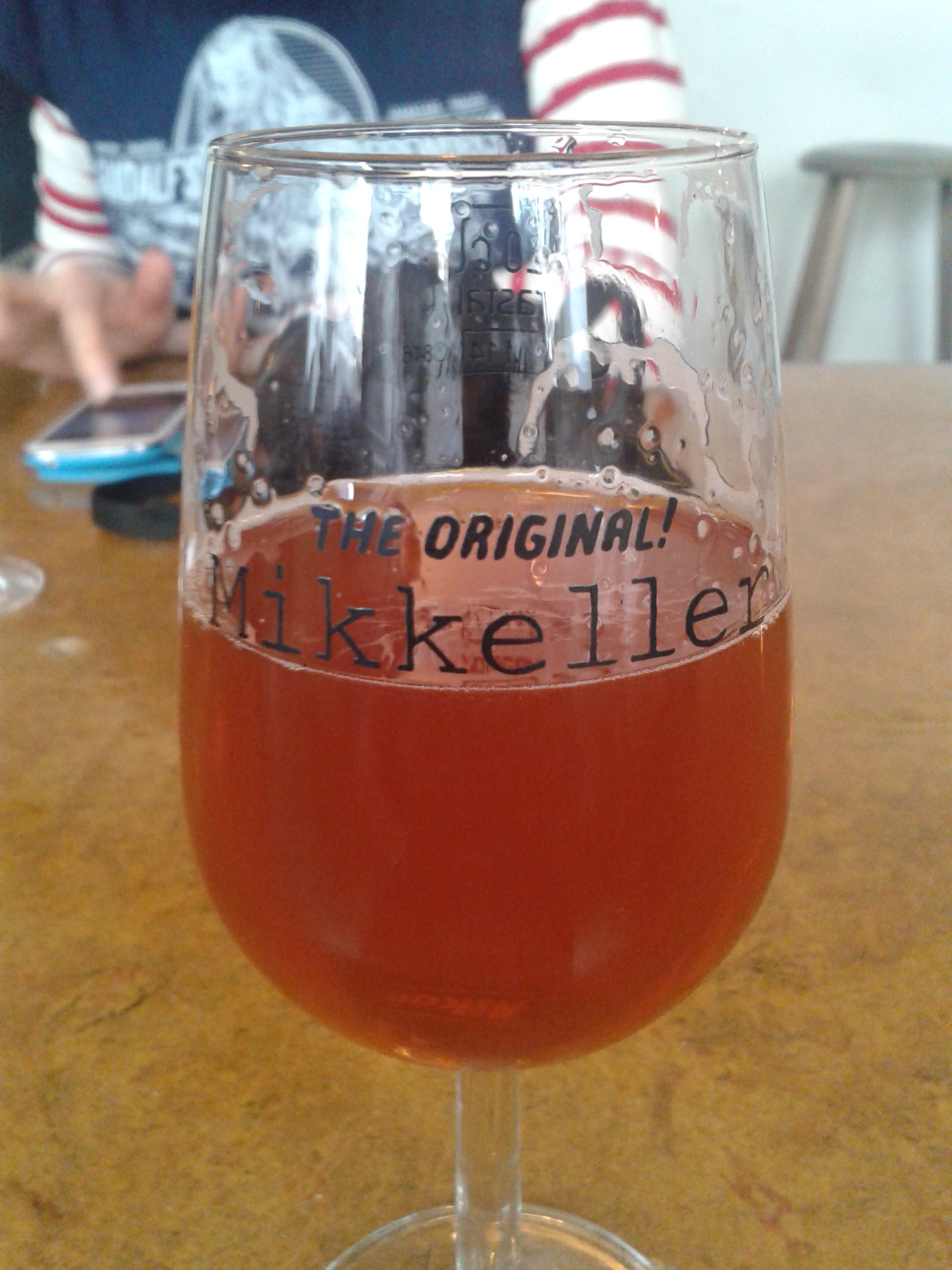
mikkellerglass“Checking out the bar” inevitably ended up being three rounds and we tried Vesterbrown Ale (5%), Beer Geek Bacon (7.5% oatmeal stout), Vesterbro Wit (5%), Cream Ale (5%), Beer Geek Vanilla Shake (13%) and 10 (6.9%), between us – several unusual, all delicious. Thank goodness for relatively small craft beer portions.

We also had a mad social media moment in Mikkeller Bar – Mr Pip had a notification from Twitter informing him that several people he followed had started following Arizona Wilderness Brewing. He looked over to the bar to see brewers Jonathan Buford and Patrick Ware, who were still in town after the previous weekend’s Copenhagen Beer Celebration. Before long we were engaged in happy, boozy conversation. Beer really is an international language, and its speakers are the friendliest in the world.

We had held off the inevitable visit to the Carlsberg Visitors Centre until our final day in Copenhagen. A little outside of the city centre, we kept finding excuses to put it off, and our beery epiphanies with the likes of Nørrebro Bryghus and Mikkeller weren’t making the prospect of free Carlsberg any more appealing.

carlsbergbottles1So we were pleasantly surprised by our very enjoyable visit to Carlsberg. Blighted by memories of sipping from lukewarm green cans at grotty university house parties, it was easy to forget that Carlsberg has a long and interesting history. The visitors centre is housed in the original brewery which dates right back to 1847, and guides you through the brewery’s story, from J.C. Jacobsen’s stagecoach journey from Munich with his precious brewing yeast stored in a hatbox, through to its takeover of Tuborg and climb to 4th largest brewery group in the world. The museum, spread through the historic buildings, is impressive, and supplemented by the largest collection of unopened beer bottles in the world… over 22,000 at last count. We thoroughly enjoyed looking out for familiar labels… and finding some interesting international versions of the Carlsberg brand. The centre also boasts working stables where their horses – now only used as “brand ambassadors” – are kept.

carlsberghorses

When we saw that our ticket had included two free drinks, we have to admit we weren’t that enthused. I even considered passing up on the offer. But after a bit of a walk from the train station and a wander around the complex we quite fancied a drink, and we approached the bar with some trepidation. It was with pleasant surprise that we saw that there were a few more interesting beers on offer.

We took the opportunity to try a Tuborg Rød (4.3%), a seasonal dark lager only brewed in May each year. While this wasn’t exactly Mikkeller, it was substantially more flavourful than my dim memories of those green cans all those years ago. Perhaps I had been wrong to dismiss Carlsberg out of hand for all this time.

jacobsenThis feeling was cemented by our second freebie. On the recommendation of the bartender we went for the Jacobsen Original Dark Lager (5.8%), brewed to the oldest recipe in the Carlsberg archives, from 1854. Jacobsen is Carlsberg’s “upscale” arm, founded in 2005 and making some more varied styles such as wit and dubbel. We were impressed with the Dark Lager, and a little upset that their offerings only came in 750ml bottles in the shop (as our luggage was already stuffed with Nørrebro bottles by this point).

We had come a long way from our initial disappointing glass of Tuborg in Nyhavn. Denmark had shown itself to have plenty to offer in terms of beer, and we wished that we had done a bit more research before arriving. But time was against us, and Denmark’s cousin to the north, Norway, before us. Surely, we thought, Norway can’t top this.

We were wrong. So wrong. And you can find out just how wrong, in part two.

bottles1– PS

Unite Pale Ale, and unification indeed

Unable to attend the launch of a special beer brewed for International Women’s Collaboration Brew Day due to a trip to India (D) and a trip to a hop farm (Pip), ICIP knew it couldn’t let this event go by undocumented. So we asked roving reporter Sharona for the lowdown on what we missed…

When ICIP asked if I could write about the launch of Unite Pale Ale at Wild Card Brewery on April 26th, I was reluctant. I mean, I’m not a beer writer. I’m not ANY kind of writer. My tasting notes at the end of any drink-fuelled day tend to be beer names hastily and illegibly scrawled, supplemented with smiley faces and A++++’s in direct proportion to my intake. And these ICIP girls, WELL. They know their stuff. They’re actual JOURNALISTS. They can QUOTE people. ACCURATELY*.

But if there’s one thing I love, it’s a good party. And that Saturday afternoon, Wild Card’s event did not disappoint. Full of wine, women, and song (read: beer, women, and BBQ), there was nothing not to love.

IMG_2876

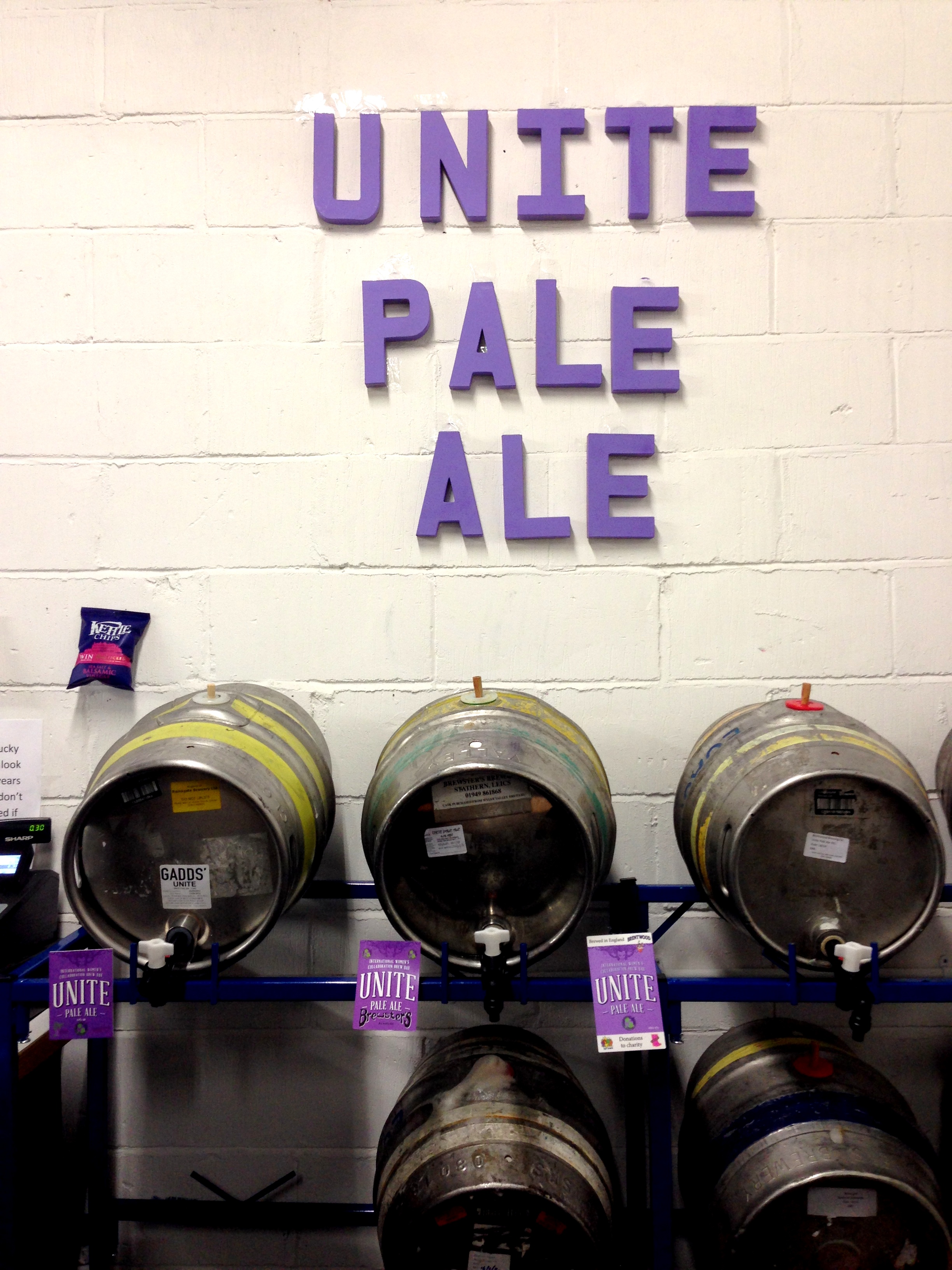
International Women’s Collaboration Brew Day (IWCB) came about as the brain child of Sophie De Ronde of Brentwood Brewing Company, who I think we can all agree is one of the most crush-worthy** women in the beer industry. Brewed on International Women’s Day (March 8th), Unite Pale Ale is the collective work of brewsters from all over the world, including Britain, the US, Australia, Canada, Ireland, and New Zealand. Project Venus and the Pink Boots Society were an essential part of the effort.

The beer had some parameters (4% ABV pale ale made with Cascade hops), but the rest was left to the brewsters’ creativity. “We went mad with ours,” says Britain’s Beer Sommelier of the Year, Jane Peyton, who was brewing with Brentwood. “There wasn’t a thing left but the kitchen sink by the time we were done. In fact, that may have gone in, too.”*

IMG_2912

Not pictured: kitchen sink.

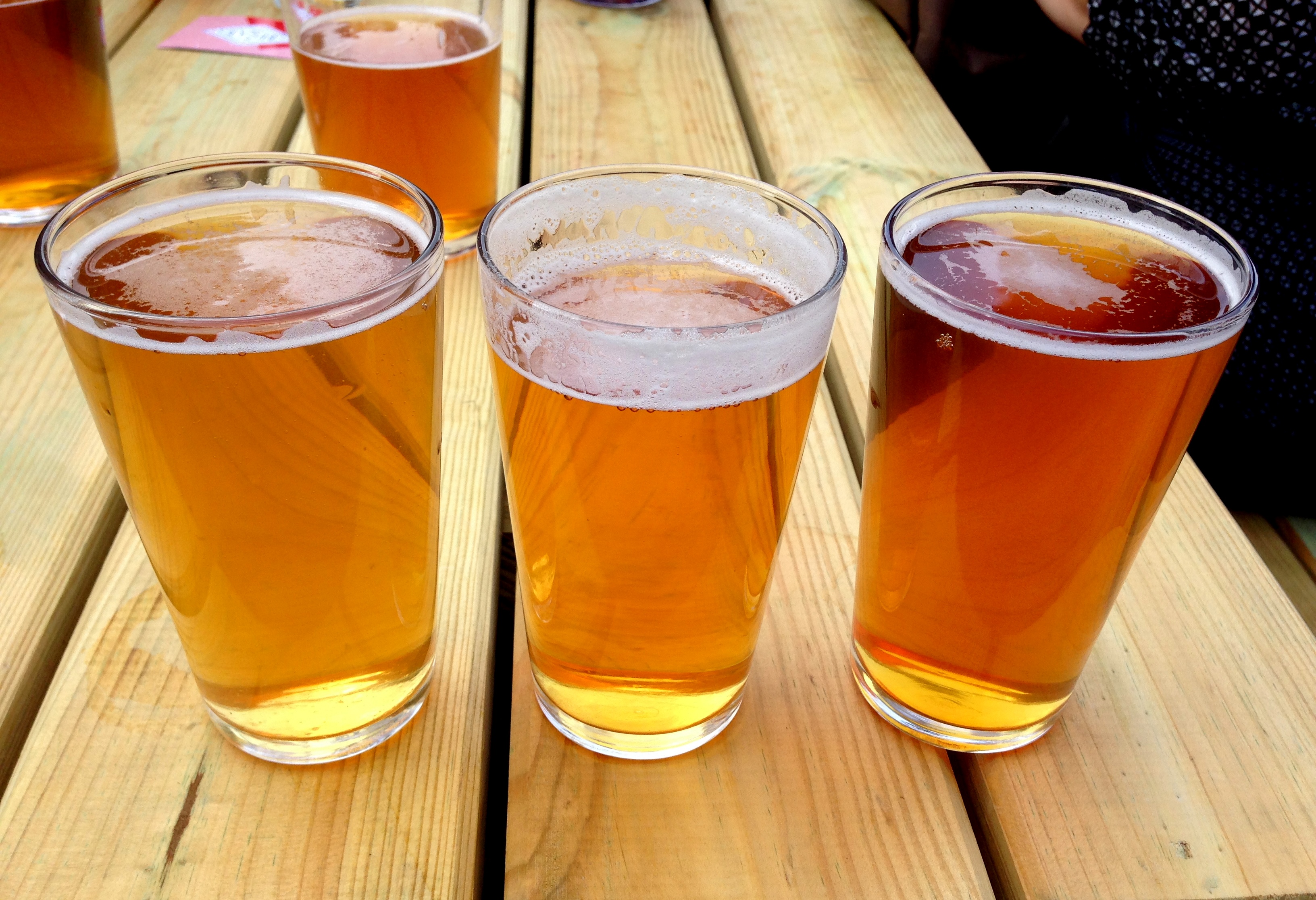
The three Unite Pale Ales being poured at the April 26th launch party were Brentwood’s Unite Pale Ale, brewed with Sara Carter (Triple FFF), Jaega Wise (Wildcard), Susanna Forbes (Drink Britain), Jane Peyton (School of Booze), Cassandra Orford (Fuller’s), Helen Wardle (Ales by Mail), and friends Victoria Leyshon and Samantha Warner. Gadds’ Unite Pale Ale was brewed by Sue Fisher with Allegra Copps (SEB), Angela Malloy, Rebecca Lee, and Helen Watkins. Brewsters‘ special blend was made by owner, brewer, and girl-about-town Sara Barton and Kathy Brittan of Oldershaw. To cap the day, a USA Unite Pale Ale was sent by Kristi Griner of Capitol City, “brewed by a dozen area beer goddesses, homebrewers, and professionals.”***

It just couldn’t get better. And as the sun began to set on that special day, golden light filtering through the trees of the park as we all talked and laughed in the good humour that can only come about as the result of like-minded camaraderie and lots of alcohol, Sophie swirled the liquid amber in her pint glass and said aloud what we had all been thinking: “This – this right here – is a job well done.”*

IMG_2853And it was.

*Any quotes in this particular article are entirely made up. 

**Because she’s brilliant and I have a crush on her.

***An accurate quote! An accurate quote! 

– SS

Top of the hops

As certified beer geeks, we thought we knew quite a bit about hops. We can take a good guess at what country’s hops have gone into a beer by giving it a good sniff. We can rattle off a list of varieties from Amarillo to Zythos. We saw some German hop yards from the Munich to Nuremberg train, once. ‘We’re practically experts’, we thought.

It turns out we were wrong.

“That is the lupulin gland in the base of the flower, and this contains the alpha acid, the beta acid and all the hop oils,” says Ali Capper, owner of Stocks Farm and Publicity Director of the British Hop Association. ICIP is staring at a cross section of a hop flower and feeling very, very ignorant. “Depending on what analysis you look at, you sometimes get 10-12 oils listed, but the key ones are myrcene, humulene and farnesene. There are over 400 hop oils.”

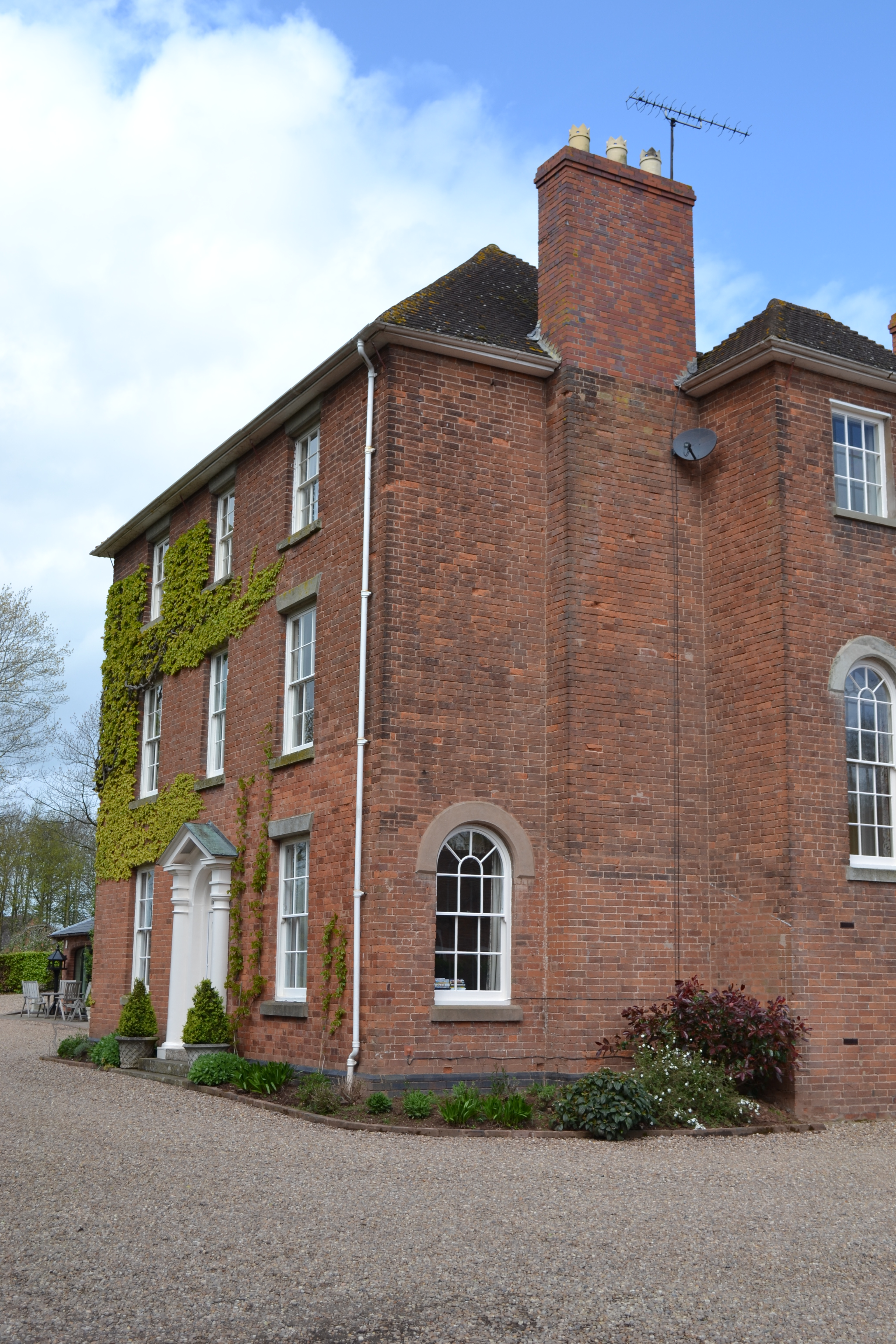
ICIP has left the familiar hustle and bustle of the capital and swapped it for rural Worcestershire. We’ve come to Stocks Farm in Suckley, Worcestershire to meet with Ali, who has graciously offered to be our teacher for the day. And we are learning a lot.

DSC_0005

Ali has picked up on our current lack of knowledge and is thankfully starting us off with some basics about the world of hop growing. “Germany and America are about 35% of world hop production each,” she tells us. “The UK is only about 1.6%; we’re tiny. Australia and New Zealand together wouldn’t be as big as the UK.”

We’re stunned by this – we thought that Antipodean hops were all the rage. “Honestly, New Zealand is small – about 400 hectares,” Ali insists. “It makes a lot of noise; they’re just very good at marketing.” This is something that Ali believes the British are less good at – and she attaches a lot of weight to this when discussing the decline of the British hop industry. “We’ve forgotten how to talk about what we do. We’re typically British – we put them in the warehouse and hope somebody buys them. Literally. We haven’t been standing on the rooftops shouting about it like the New Zealanders have.”

DSC_0004From a peak of around 30,000 hectares in the late 19th century, hop farming in the UK has been shrinking progressively despite the recent boom in brewing, with only 1,000 hectares of hops growing today. This slow attrition of what was very much part of British heritage clearly struck a chord with Ali. “My husband’s father bought the farm in 1962, but this farm has farmed hops for at least 200 years,” she tells us as we sit out the rain with coffee in the farm kitchen. “A couple of years ago we had 100 acres of hops which were less than marginal. If you looked at the numbers, it was costing us money to grow and sell them. And my husband, who had farmed hops his whole life, was saying ‘we’re going to have to stop because we’re not making any money’. That’s a really big deal.” But Ali wasn’t going down without a fight. “I said: give me three years and I’ll see if I can turn this ship around.”

It was a worthy cause, but where do you start when attempting to revive an ailing industry? “I started thinking: what if I try to market British hops as a brand? What’s special about us?” says Ali, bringing her previous experience in marketing and advertising to the fore. “Well, firstly, 1.6% makes us a niche. In market terms we don’t need to worry about industrial scale brewers.”

With vastly larger hop-growing areas, the Germans and Americans have spent many years investing on their breeding programmes, developing varieties high in the all-important alpha acid. This is what lends the hops their bittering quality. “Historically, alpha has been a commodity, and industrial scale brewers have been buying it up,” says Ali. “Our highest alpha varieties were 14-16% alpha, whereas the US and Germany have varieties that are over 20%. It’s a numbers game. If their variety has 4-5% more alpha per kilo, you can’t compete.” But things have changed, and Ali believes that it’s all down to craft beer: “Craft brewing has changed the landscape, and that’s down to hop usage. To demonstrate that, consider that craft brewing now represents 8% of all US beer production. But it buys over 40% of the hops. Industrial-scale brewers want to use as few hops as possible.”

DSC_0056

With hop usage on the rise, and a growing demand for more range as brewers began to experiment, it was the perfect time to push British hops back onto the world stage. “I rang Dr Peter Derby, our hop breeder, and asked him to co-author a paper with me. The premise of the paper was ‘what makes British hops unique, scientifically?’. Because I could put any old marketing blurb on it. I wanted the facts,” says Ali. Their research threw up some fascinating results.

“What makes British hops entirely unique is our climate. It is maritime, but it is dull maritime,” Ali tells us. “There is even precipitation throughout the year – we’re the only hop growing area in the world which on the whole doesn’t irrigate. There are some exceptions in Kent on light sandy soil where they do, but the majority of our crop here in the UK isn’t irrigated.”

So what does this mean for the hops? Ali and Peter got an analytical analysis of several hop varieties grown in the UK, the US and in New Zealand, and compared the results. “The only part of the analysis that was different was myrcene, which is an indicator of monoterpenes… and they are an indicator for aroma intensity,” says Ali. “We have lower myrcene in hops grown in Britain, mostly because of sunlight levels. So a variety grown in the UK will have lower aroma intensity levels than the same hop grown in the USA or Australia.”

Oh. Well… that’s a bit of a shame, isn’t it? Does that mean that our hops are a bit… bland?

“No,” Ali says emphatically. “This is where it’s special. Lower myrcene means there’s more room for everything else. That’s a long list. It means that the hop flavour from a British hop is more complex because there’s more room for the other flavour indicators. The aromas have more range, more breadth and more depth.” Perhaps we’ve been blinded by the craze of mouth-puckeringly hoppy IPAs. “If you think what are we famous for in terms of world brewing, we’re known for very drinkable, sessionable beers – the reason why we can produce these is the breadth in our hops. One dimensional beers are great for one pint, but they don’t bring people back for another. American craft brewers are experimenting with British hops and the commercial reality that they can deliver session beers.”

logo-e1346773961375“So that’s the USP – delicate, complex aromas,” Ali concludes. With this identified, she set about shaking up the British Hop Association (previously The National Hop Association). In fact, the renaming was her own suggestion: “Our best visual mnemonic is the Union Jack, so I said we had to be the British Hop Association,” she explains. “They needed a website, one place where anybody – brewers in particular – can go for the correct information on British hops, because there’s a lot of misinformation out there. We needed to work with our merchants, to make marketing plans to get them to sell better on our behalf. And we needed to start standing on the rooftops and shouting about what is special about British hops.”

It is hugely impressive what Ali has achieved in the last two years. “There’s no big PR agency; there’s just me. When the media pick up the phone to speak to someone about British hops they’re amazed to be speaking to someone who farms, and that they can come to a farm. But I think that has helped a lot.”

The BHA is a group of growers who fund three main ventures: their breeding programme, crop protection lobbying and – more recently, under Ali’s tutelage – their marketing efforts. This new addition to their agenda is particularly important, she believes, as even well-seasoned brewing professionals don’t seem to know half as much about British hops as they think they do.

“There are over twenty British hops being grown commercially, but most experienced brewers have only brewed with a handful. None of them have tried them all. My challenge to the brewing industry was to go and try what’s on offer before you beat us up for what’s not available. And that has had a lot of traction.” She cites Admiral – recently experiencing a boost in popularity – as a prime example. “Suddenly everyone is talking about Admiral again. But it’s only because we started the dialogue. That’s our job as growers; to keep the dialogue up.”

Our introduction to the world of hops complete, and the rain finally clearing up outside, we head out to see the hop yards first hand. On our way we pass through some of the 100 acres of apple orchards also situated at Stocks Farm, currently displaying some bodacious blossom. Having seen some of the tall posts and wires from a distance at the top of the valley, we’re a bit confused when Ali comes to a halt in front of what looks like a scant hedgerow.

DSC_0024“We pioneered low trellis hop growing,” she explains. “With a high trellis hop, you have to string it by hand every year, and you have to tie the plants clockwise around the string. But with this system we would hope to get a 20-25 year life from the post and wirework and 7-10 year life on the net, because it’s UV light resistant. The plant is perennial and self-training. So it’s quite important from a labour perspective.” A further benefit of this system is that the hops can be harvested mechanically rather than the entire plant being taken away to have the flowers stripped from the bine. “Our hop picking machine is quite delicate. A lot of American machinery thrashes the hops. Because ours are seeded they are more delicate and more easily broken up.”

“This is quite special,” Ali says, crouching by the trellis. “This is Endeavour.” This hop was created by Peter Derby, the result of the BHA’s breeding programme. “One parent is Cascade and the other was a wild English male. So it has some of the same citrussy properties as Cascade but with a broader spectrum of blackcurranty, summer fruit type aromas. It’s a gorgeous hop.” With last year’s crop going almost exclusively to St Austell and Marstons, Ali says there will  be more available this year. “I am really excited by what the craft brewers will do with it – they didn’t really have access to it last year.”

As we stomp down the hillside we see the more familiar tall hop yards come into view. “You’ve got your post and your wirework, and that the top there are little hooks,” Ali points out. “In the ground we’ve got a metal peg, and in March we come through with a long pole with a hook on the end called a monkey and we use that to take the string onto the top hook, down onto the peg, up and down, by hand. Then the team come back and tie the hop clockwise – always clockwise, otherwise it falls off! Then we burn off what’s left on the ground to help the plant concentrate its growth upwards.” The time-saving benefits of the low trellis system are becoming more and more apparent. “If it’s windy in April and May they all fall off and you have to come back and do it again,” she says. “By July they’ll have hit the top, in August and September they put out their lateral growth, and then the hop. The flowering is triggered by the shortening of daylight length.”

DSC_0046

As we look through the web of strings disappearing into the distance, it strikes us that this is a lot of hop. Do they really have to harvest all this at once? Ali beckons us over to some rather sad, crispy looking plants in the next yard. “This is Target. And it looks like it’s dying! This is one of the last varieties that we harvest – we can’t do it all at once! In order to manage the staging of stringing and tying what we do with some of the varieties is burn them back chemically and then they regrow later. By that time we’re ready to tie them. Target is one of the later ones we harvest, usually early October, so it doesn’t need to get going yet, it’s still got some time.”

As we begin walking back up to the farmhouse, we’re reflecting on the amazing amount of (wo)man-power that goes into growing this special plant that we have taken so much for granted. It seems like a tough job in and of itself, even before you take into account the unpredictable weather we’ve had over the last few years in the UK, and also the threat of pests and disease. “I don’t know how you feel about pesticides; it’s a debate we can have, but it’s very difficult in our maritime climate to grow horticultural crops without some armoury of crop protection because we’ve got downy or powdery mildew and pests like aphids and red spider,” explains Ali. “Hops are a minor crop, so they get very little attention from chemical companies. It means our armoury of chemicals diminishes every year.”

We listen to horror stories of what sounds like the hop world equivalent to BSE or foot and mouth – verticillium wilt (it even sounds like a comic book villain): “It’s a disease borne on the soil, so it’s moved by boots from farm to farm. It kills the plant and once it gets into your soil, if you have a variety that is susceptible to it, it will continue to kill the plants if you replant,” Ali says. “There were some outbreaks in the 40s and 50s and since then work has been done to grow varieties that are wilt-resistant. But some varieties, like Fuggle, are not. So there are  fewer and fewer farms it can grow on. Often on a farm which hasn’t had wilt you’ll be asked to wear their boots, to park off the farm, so that there’s no chance that you can infect the land.” We look at our own footwear suspiciously, eyeing them for evil spores. “Wilt is a big contributor to the reason why British hops have declined,” Ali adds. “When we had it the Germans didn’t, and they were busy exporting. There was a time when the German and British growers were about the same, but they have grown as we have fallen behind.”

DSC_0072

Back at the farm, there’s just time to check out the old hop kiln before we have to leave. This is attached to the farmhouse – the previous owners obviously liked living dangerously – and is now mostly used for events and teaching. “You can imagine coal fires on the ground floor, pushing heat up by fans. The floors there were a wire mesh, so that would have been the kiln.” Ali points out an enormous contraption in the middle of the room. “That is an original hop press. It hasn’t been used since the 1970s, but it was engineered at the Bruff in Suckley. That is the engineering name of the most famous hop picking machine in the world. In New Zealand, Tasmania and in America you will find Bruff hop pickers. So it’s gone off all over the world, but it’s from Suckley.”DSC_0069

It’s this sort of history, and Ali’s passion for it, that make it clear why she fought so hard to revive the industry. “I am determined that we are not going to let this industry die. I am determined that we’re not going to have to replant 100 acres of hops. And fundamentally I am determined that we are going to be paid a sustainable return for what we’re growing – all British hop growers.” Ali isn’t naive about the challenges ahead. “It’s a huge job to do. But it’s about getting those clear messages out there about what makes us different, getting people excited about existing and new British hop varieties, and getting brewers to explore.”

DSC_0071Before we wave goodbye to the farm, Ali points us in the direction of nearby Ledbury for lunch, recommending a bottle shop run by a local cider producer who uses Stocks Farm’s apples. After almost being converted from beer to cider after sampling a few snifters of Worcestershire and Herefordshire’s finest, we notice some local beers for sale. There, front and centre, are bottles of Mayfields Brewery beers, proudly emblazoned with Ali’s ‘made with British hops’ logo.

Naturally, we take a few home with us… knowing that we would have a new appreciation for every complex, nuanced mouthful.

The British Hop Association website is a great resource for anyone wanting to learn more about hops, how they are grown and the history of hop growing in Britain.

You can see more pictures from our trip on our Facebook page

– PS